Scar Revisions in Santa Monica, CA

Scar revision offers an opportunity to restore confidence, comfort, and harmony to areas that have been affected by injury, surgery, or past trauma. Every scar tells a story, but some can feel distracting, restrictive, or out of alignment with how you want to see yourself and how you want others to see you. Choosing to refine or soften a scar is not just a cosmetic decision, it’s an act of reclaiming your relationship with your skin and feeling more at ease in your own body.
For many patients scar revision represents a meaningful step toward healing. Improving the texture, color, or contour of a scar can help it blend more naturally with the surrounding skin, allowing your features to shine without distraction. With nearly a decade of experience in reconstructive and aesthetic surgery, Dr. Safa Sharabi brings precision, artistry, and deep compassion to every scar revision procedure. She understands the emotional weight scars can carry and approaches each case with a thoughtful, individualized plan tailored to your anatomy, your goals, and your healing journey.
To learn more, contact us today at (310) 742-1306 or complete our online form to schedule your scar revision consultation with Dr. Safa Sharabi in Santa Monica.
What Is Scar Revision?
Scar revision is a specialized procedure designed to improve the appearance, texture, and quality of a scar so it blends more naturally in with your surrounding skin. While scars are a normal part of the body’s healing process, some may heal in ways that look and feel raised, tight, uneven, or are in a location that is front and center. Scar revision offers a way to soften these features, restore smoother contours, and help the skin look and feel more balanced.
Scar revision is not about erasing a scar entirely because no treatment can completely remove a scar, but it can dramatically refine its appearance. Depending on the type of scar and its underlying cause, treatment may focus on reducing thickness, improving color, releasing tension, or realigning the scar so it heals in a more discreet pattern. With her reconstructive training and deep understanding of skin healing, Dr. Sharabi evaluates each scar with an eye for detail. She considers your skin type, the scar’s distinct characteristics, and your personal goals to create a customized plan that supports both aesthetic improvement and long-term skin health. Through advanced techniques and thoughtful, individualized care, scar revision can help you move forward with renewed confidence and a sense of closure.
Different Types of Scars
Scars can form in many ways, and each type has its own characteristics, challenges, and treatment considerations. Understanding the specific type of scar is an important first step in creating a personalized revision plan that supports smoother, more natural‑looking skin. Dr. Sharabi evaluates not just the appearance of a scar, but also its depth, texture, and how it affects the surrounding tissue to determine the most effective approach.
Hypertrophic Scars
Hypertrophic scars are raised, firm, and often red or pink in color. They stay within the boundaries of the original incision or injury but may feel thick or tight. These scars can improve significantly with techniques that soften their texture, reduce their height, and blend their color more naturally with surrounding skin.
Keloid Scars
Keloids extend beyond the original wound and can continue to grow over time. They may appear smooth, shiny, or rubbery and are more common in certain skin types. Because keloids behave differently from other scars, they often require a specialized, multi‑step treatment plan to reduce their size and prevent recurrence.
Atrophic (Depressed) Scars
Atrophic scars sit below the surface of the skin and often develop after acne, chickenpox, or trauma. They may appear as shallow depressions, deeper pits, or soft indentations. Treatment focuses on lifting the scar, improving texture, and restoring a smoother, more even skin surface.
Contracture Scars
Contracture scars form when the skin tightens during healing, often after burns or significant injuries. They can restrict movement or create tension across joints or larger areas of the body. Revision may involve releasing tight tissue and repositioning the skin to restore comfort and mobility.
Types of Scar Revision Treatments
Scar revision is never a one‑size‑fits‑all procedure. Each scar has its own history, structure, and impact on the surrounding skin, which is why Dr. Sharabi tailors every treatment plan to the unique needs of each patient. Depending on the type of scar, its location, and your aesthetic goals, she may recommend one or a combination of the following advanced techniques.
Surgical Scar Revision
Surgical revision is often the most effective option for scars that are wide, raised, depressed, or poorly aligned. Dr. Sharabi carefully excises the old scar and repositions the skin using refined closure techniques that encourage a thinner, more discreet line. This approach is especially beneficial for scars that have healed under tension or follow an irregular pattern.
Z‑Plasty and Geometric Reorientation
For scars that restrict movement or cross natural skin creases, Z‑plasty or geometric reorientation can help redirect tension and improve both function and appearance. These techniques reposition the scar, so it blends more naturally with surrounding contours, softening its visibility and restoring your comfort.
Laser Resurfacing
Visible scarring can often affect both appearance and your overall satisfaction and acceptance of your reconstruction. Dr. Sharabi uses precision scar revision techniques to minimize and refine scar tissue, improving skin texture and symmetry so you can feel confident seeing your scars in the mirror every day.
Steroid or Medication Injections
For hypertrophic or keloid scars, steroid injections can help reduce thickness, soften firmness, and minimize itching or discomfort. Steroid or medical injection treatments may be performed alone or combined with surgical techniques to reduce the risk of recurrence and support long‑term improvement.
Microneedling and Collagen‑Stimulating Therapies
Microneedling is another excellent non-surgical option for atrophic (depressed) scars, such as those caused by acne or trauma. By creating controlled micro‑injuries in the skin, microneedling encourages collagen remodeling, gradually lifting and smoothing the scar for a more even surface.
Dermal Fillers
For deeper or indented scars, dermal fillers can be used to elevate the area and restore a smoother contour. Dermal fillers offer a minimally invasive option that provides immediate improvement and can be combined with other treatments for enhanced, longer‑lasting results.
What to Expect During a Scar Revision with Dr. Safa Sharabi
Every scar revision is unique, and the steps Dr. Sharabi chooses will depend on the type of scar, its location, and the treatment approach that best suits your skin. Whether your procedure involves surgical refinement, laser resurfacing, microneedling, or a combination of techniques, Dr. Sharabi’s focus is always on achieving the most natural, harmonious result possible.
Your procedure begins with meticulous skin preparation to ensure the highest level of hygiene. A local anesthetic is administered to keep you completely comfortable throughout the process. Once the area is numb, Dr. Sharabi performs the revision using precise, detail‑oriented techniques designed to improve texture, soften tension, and help the scar blend more seamlessly with the surrounding skin.
Most scar revision procedures are completed within 30 to 90 minutes, depending on the complexity of the scar and the techniques being used. After the treatment, a protective dressing is applied, and you’ll receive personalized aftercare instructions to support smooth healing and the best cosmetic outcome.
Scar Revision Recovery
Recovery after scar revision is typically straightforward, with most patients experiencing only mild swelling, redness, or tenderness in the first few days. Dr. Sharabi will provide personalized aftercare instructions tailored to your skin type, the technique used, and the location of your scar. You may notice light scabbing, pinkness, or subtle tightness as the area as it heals. These changes are normal and gradually fade over the following weeks. Many patients feel comfortable returning to daily activities right away, though it’s important to avoid anything that could irritate the skin or disrupt the healing process.
To support smooth healing and the most refined cosmetic outcome, Dr. Sharabi may recommend:
- Keeping the area clean and protected during the initial healing period
- Avoiding sun exposure and using sun protection once the skin has healed to avoid discoloration from returning
- Refraining from any picking, itching, or scratching any scabs, dry skin, or healing skin
- Avoiding strenuous exercise, sweating, or friction that could irritate the healing treatment area
- Using only ointments, silicone gels, or dressings approved by Dr. Sharabi
- Avoiding exfoliants, harsh soaps, or active skincare ingredients near the treated area
- Most importantly, following any recommended scar‑care regimen to support long‑term improvement
As your skin continues to heal, the scar will gradually soften, lighten, and blend more naturally with the surrounding tissue. Scar maturation can take several months, and Dr. Sharabi and her team remain available throughout your recovery to answer questions, monitor your progress, and ensure your results develop exactly as intended.
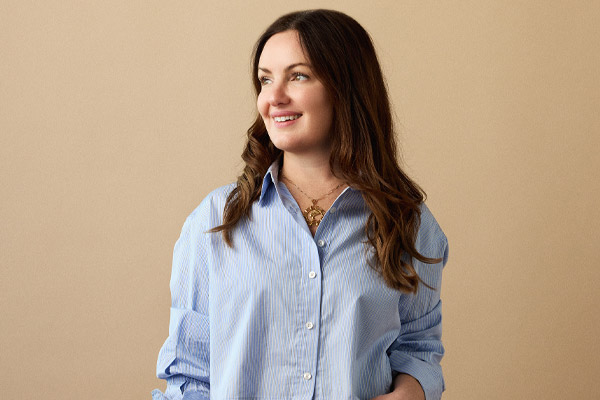
Female Plastic Surgeon
Why Choose Dr. Safa Sharabi for Your Scar Revision in Santa Monica?
Dr. Safa Sharabi understands that scars are more than marks on the skin; they carry memories, experiences, and feelings that shape how you see yourself. Her approach honors both the physical and emotional aspects of healing, ensuring that every treatment plan is tailored to your unique journey.
With a strong foundation in reconstructive and aesthetic surgery, Dr. Sharabi brings a deep understanding of skin biology, scar formation, and the nuances of tissue healing. She evaluates each scar with a meticulous eye, selecting techniques that not only improve appearance but also support long‑term comfort and function. Beyond her technical expertise, patients consistently describe Dr. Sharabi as warm, compassionate, and genuinely invested in their well‑being. She takes the time to listen, to understand your concerns, and to ensure you feel supported at every step of the process. Her care is grounded in integrity, empathy, and a commitment to helping you feel more confident and at home in your skin.
Schedule Your Santa Monica Scar Revision Consultation with Dr. Safa Sharabi Today
If you’re ready to soften the appearance of a scar and feel more at ease in your skin, Dr. Safa Sharabi is here to guide you with expertise, artistry, and genuine compassion. With nearly a decade of experience in reconstructive and aesthetic surgery, she offers a thoughtful, personalized approach that helps patients restore confidence.
To take the next step, call (310) 742-1306 or complete our online form to schedule your scar revision consultation with Dr. Sharabi in Santa Monica.
Scar Revision FAQS
How long does it take to see results after scar revision?
While some improvement may be visible within a few weeks, full results from your scar revision can take several months as the skin remodels and settles. Dr. Sharabi will monitor your progress throughout this period to ensure your results continue to improve over time.
Is scar revision permanent?
Yes, the improvements achieved through scar revision are long‑lasting. However, scars will continue to evolve with age, sun exposure, and skin changes. By following all the proper aftercare and sun protection recommended by Dr. Sharabi, you can help maintain the best possible outcome.
Can scar revision help with scars that are many years old?
Absolutely. Even older scars can be significantly improved with the right technique or combination of techniques. Dr. Sharabi will evaluate the scar’s texture, depth, and location to determine the most effective approach, regardless of how long ago the injury or surgery occurred.
Is scar revision suitable for all areas of the body?
Most areas of the body can be safely and effectively treated, though certain locations, including joints, the chest, or areas with high tension may require specialized techniques. Dr. Sharabi tailors her approach to the unique characteristics of each treatment site.
Will I need more than one scar revision treatment?
Some scars respond beautifully to a single treatment, while others, such as keloids, hypertrophic scars, or deep atrophic scars, may require a series of treatments for optimal results. Dr. Sharabi creates a personalized plan specifically for you based on how your skin heals and your aesthetic goals.